

Pellet Stoves - Modern Pellet Stoves
Modern pellet stoves are designed to fit into modern living spaces. They are not only practical, but also have a stylish design.
Pellet stoves can draw air from the room or an external duct, based on the model. The warm air is then vented through an exhaust pipe which can be run horizontally or vertically.
Innovative combustion optimisation technology
Pellet stoves that use the innovative combustion optimization technology feature an automatic burner that ensures the right temperature and airflow for the most efficient burn. This leads to clean, safe combustion that eliminates smoke and lowers emissions into the environment. They are also energy efficient and are generally less expensive to run than traditional wood burning fireplaces. A lot of these stoves are designed to be direct vent, meaning they do not require a chimney and can be put in flammable areas like a fireplace or wall.
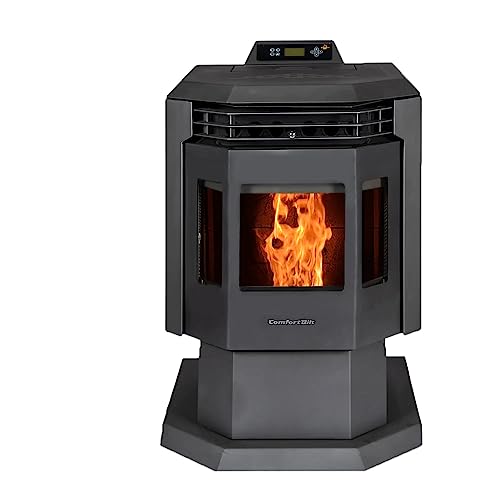
In contrast to wood stoves that require wood chips or other inflammable materials to start the flame A pellet stove makes use of electric ignition to ignite the flame. Some models have advanced functions like remote control, smartphone/internet control, and programming capabilities.
Pellet stoves need a hopper for the pellets. The sizes of hoppers range from 40-120 pounds. It is crucial to consider the frequency you will need to refill it, as this will affect your heating expenses overall. Some stoves can run for a few days or weeks without a refill and some will require to be refilled more often.
Modern pellet stoves can be used with different kinds of pellets which allows you to pick the most suitable option for your requirements. Hardwood pellets come from woods that are denser, such as maple and oak. Softwood pellets are more cost-effective because they are made from pine or fir. A lot of stoves are able to use a blend of hardwood and softwood pellets to increase efficiency and reduce costs.
Another benefit of pellet stoves is that they don't emit smoke, which makes them an ideal and safe choice for homes with children or pets. A pellet stove can't offer the same heat as a wood fire because it doesn't spread heat evenly. Furthermore, a stove made of pellets produces a large amount of dust, which is difficult to keep clean.
Pellet stoves are an excellent option for homeowners looking to experience the warmth of a wood fireplace without the burden of cutting, stacking, and transporting logs. They can also save up to 40 percent on heating expenses compared to an open fire or a gas furnace.
Aesthetics
Pellet stoves enhance the aesthetics of homes with their modern style and ease of use. They make use of pellets that are made of compressed sawdust and repurposed wood waste. These stoves are a great alternative to fossil fuels because they provide a large heat output with low emissions. They also operate easily and operate with ease. Pellet stoves are a greener alternative for homeowners who wish to reduce their carbon footprint, without losing warmth or utility.
Pellet stoves do not require manual loading. The hopper is filled with pellets, and an auger feeds them continuously into the combustion chamber to ensure efficient combustion. You can alter the temperature by turning a dial. Certain models come with thermostats that automatically adjust the temperature to ensure that you are comfortable.
Modern pellet stoves have intricate details and durable materials, such as cast iron, to complement traditional home decor. They are available in a variety of warm finishes which will suit different color palettes. They are also a great focal point for your home. Although these stoves might have a higher initial cost than other stoves however their energy efficiency and low maintenance costs will save you money in the long run.
Although a pellet stove's impressive energy efficiency makes it an excellent option for any home, not all homes are suited for this kind of heating. If you live in a warm region or a place that is prone to wind, it is better to consider other options for heating. Also, if you reside in an older house with an existing chimney that isn't able to accommodate a vent-free model, you might need to put in a new chimney before installing a pellet stove.
A pellet stove requires a certain amount storage space to store the pellets. This can limit the flexibility of installation. If you're interested in a versatile heating solution take a look at the variety of pellet stoves available at All Seasons Spa & Stove. If you prefer the simple installation and aesthetic flexibility of a stove that is freestanding or the seamless integration and efficiency of a pellet insert We're proud to provide an array of top-of-the-line Lopi stoves.
Energy efficiency
The main benefit of a pellet stove is its high efficiency in energy use. This translates into reduced heating costs, which can significantly impact the overall cost of the household. Pellet stoves emit a low level of emissions, which makes them a greener alternative to traditional wood-burning fire places. This can be an attractive selling feature for homeowners conscious of their environmental footprint. Numerous local and government agencies also provide incentives, rebates and tax credits to purchase of a more energy-efficient heating system.
The efficiency of a stove is determined by the amount of fuel required to produce an amount of heat. Stoves with a greater thermal efficiency can convert a greater percentage of fuel into heat, usually between 70 to 85 percent. These figures are determined by independent labs. The performance of a stove can be affected by the type and quality of the fuel used, as well as the design of its combustion chamber.
Modern pellet stoves have heat exchangers made of cast-iron or stainless steel that function just like wood stoves in transferring heat to the living area. hyperlink blows air into the bottom of the pot to feed the flame and hot exhaust gases are pushed out of the flue. A convection blower then circulates the warm air throughout the living area.
In addition to being easy to operate, these modern stoves are also energy-efficient. These stoves have programmable temperature controls and operating schedules that automatically adjust heating power according to your home's requirements. This can maximize energy efficiency and decreases the cost of heating.
Most pellet stoves come with hoppers that hold the pellets and feed them into the combustion chamber when needed. Hopper capacities vary between 40 and 120 pounds. Choosing the appropriate size is contingent on the frequency you wish to refill the hopper. Larger hoppers will require less frequent refilling and allow the stove to run for longer periods of time.
The combustion of the pellets takes place inside a heat exchanger, which is located in the top and back areas of the burner unit. The heat generated by the burning pellets is then transferred to the room through the fan, and later blown into the living space through grilles on the front of the appliance.
Safety
Pellet stoves are a great alternative to traditional woodstoves and fireplaces with lower heating costs as well as environmental benefits. They burn cleaner than traditional wood stoves and are able to provide warmth without a lot of smoke. They also produce much less creosote which is a major cause of house fires. The upfront cost of pellets is more than the cost of chopped wood. Additionally, they require electricity to run their fans and pellet feeders. If you're experiencing a power failure, you'll need to find other ways to remain warm.
Modern pellet stoves are designed for the safety of their users and are efficient in their operation. They come with thermometers and a vacuum switches that enable the stove to detect danger and shut them down. These features reduce the risk of fires resulting from unsafe or negligent use. It is crucial to follow all instructions and to maintain the unit correctly.
There are two main types of pellet stoves that are freestanding models and inserts that can be installed in the fireplace. Both are based on the same principle however, the freestanding stoves are more adaptable. They can be used to heat a whole room or as a supplement to other sources of heat in smaller areas.
The majority of pellet stoves are rectangular, with an internal combustion chamber, a hopper for loading the fuel and a vent which removes the combustion gases. They also have a thermostat that is used to regulate the temperature and some come with remote controls. Some models have programmable clocks that let you control the heating schedule.
Pellet fuel is comprised of sawdust, wood shavings, paper, bark and other by-products that can be utilized. The pellets are stored in large bags and are shaped and measured like horse pills. Some pellet stoves will only accept wood-based pellets whereas others can burn biofuels.
While the stoves are very efficient however, they can be noisy in operation due to the use of fans and the pellet feed mechanism. The noise level of the top-rated model is not more than 32 decibels, which makes it quieter than a refrigerator.